How Do Phoenix Laundry Services Handle Delicate Fabrics and Everyday Clothing?

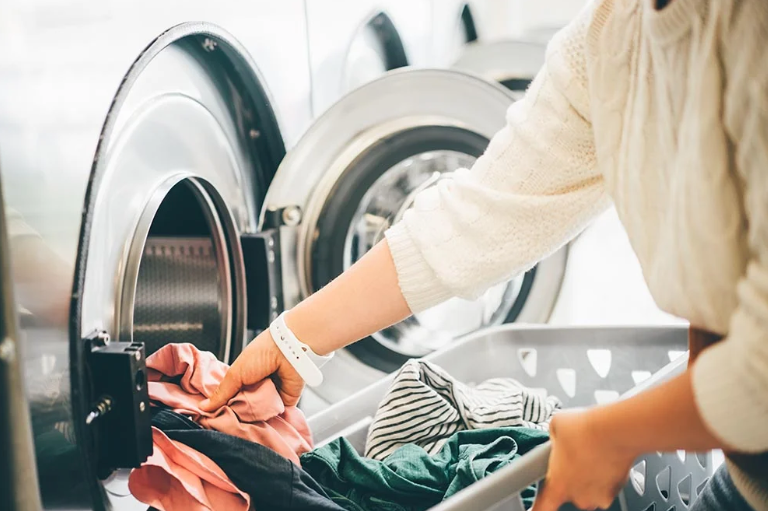
A silk blouse can lose its sheen after a harsh cycle. A good laundry service phoenix shop starts with the care label, then picks water, solvent, heat, and handling to match each item.
Everyday Clothing Gets Sorted First
Staff check pockets, close zippers, and turn dark denim inside out. They group items by color, weight, and soil level. Heavy towels never wash with light T-shirts. New dark items wash apart until dye stops bleeding.
Cotton tees, jeans, and activewear take warm water and a normal cycle in most cases. Cold water helps dark colors and prints hold up longer. A gentle cycle and low dryer heat help thin knits keep shape.
Stains get a note at intake. Food, sunscreen, deodorant, and dust need different pretreatment. Oil-based marks often need a solvent-based spotter. Water-based marks often respond to a mild detergent soak.
Delicate Fabrics Need a Different Process
Delicates fail for predictable reasons. Heat shrinks wool. Agitation felts cashmere. Water can spot silk. Bleach weakens lace. A cleaner slows each step down for these fabrics.
Silk, Wool, and Linen
Silk needs cool water, mild detergent, and little agitation. Many silk blouses carry a "dry clean only" label because the maker wants the safest route. A cleaner reads the label, checks trim and dye, and picks a method.
Wool needs cool water and a wool-safe detergent. Heat plus motion causes fibers to lock together and shrink. Cashmere and merino sweaters dry flat so shoulders keep shape. Linen tolerates more heat, but it wrinkles fast.
What Dry Cleaning Does Differently
Dry cleaning uses solvent instead of water. The solvent lifts oil, makeup, and grime without soaking fibers the way water does. That helps structured blazers, lined dresses, and suits keep shape.
Mesh bags protect bras, lace trim, and loose buttons. Low heat and steam finishing replace a hot iron on most delicacies. A press with too much heat can shine wool or flatten silk, so finishing stays light.
How A Bed Cleaning Service Handles Comforters And Bedding
Bedding needs room to move. A comforter packed into a small home washer cannot rinse clean or dry all the way through. A bed cleaning service uses larger machines that let bedding turn freely.
Fill type decides the method. Down needs thorough drying to restore the loft. Fiberfill needs even heat to avoid flat spots. Cotton quilts need a check for dye bleed at seams. Silk pillowcases and linen covers usually need gentler handling.
Staff use low to medium heat, pause to break up the fill, and confirm the center feels dry before folding. Clean bedding comes back aired out, not damp.
Wedding Dresses and Formalwear
A wedding dress combines several fabrics in one garment. Bodice lace, satin lining, tulle layers, beads, sequins, and boning each react differently. That is why gowns get individual inspection rather than a batch wash.
Staff look for hem dirt, makeup near the neckline, wine or food marks, and loose beads. They pretreat spots first. Shops that dry clean wedding dress gowns often use a gentle solvent cycle or a controlled wet clean.
Cleaning removes visible and hidden stains. Preservation focuses on storage. Acid-free tissue supports folds and fills the bodice. Store the gown in a cool, dark, dry closet. Clean it within weeks of wear.
What To Ask Before You Book
Ask what the care label says and whether the shop will follow it. Ask how it will handle trim, beads, or mixed fabrics. Ask the turnaround time and what happens if a stain does not lift.
Share details that help. Mention the stain source, how old it is, and whether you tried to clean it at home. Mention scent sensitivity if you need fragrance-free detergent.
Aloha Cleaners Delivery offers pickup and delivery for wash and fold, dry cleaning, bedding, and wedding dress care in the Phoenix area.
FAQs
How Do I Know If An Item Needs Dry Cleaning?
Read the care label first. Dry clean only; lined jackets, blazers, suits, and dresses with beads usually belong in dry cleaning. Handwashing only means no machine cycle.
Can Wool Sweaters Be Washed At Home?
Some can, with cool water, wool-safe detergent, and flat drying. Many shrink because of heat and agitation, not water alone. A cleaner is safer for cashmere or knits with trim.
How Often Should Comforters Be Cleaned?
Clean comforters two to three times per year with normal use. Clean sooner after illness, heavy sweating, pet use, or a spill. Duvet covers wash more often, since they take most surface soil.
How Soon Should I Dry Clean Wedding Dress Gowns After The Wedding?
Book cleaning within a few weeks. Hem dirt, sweat, makeup, and sugar from drinks can set and yellow. Bring the veil and accessories if they need the same care.
What Should I Put In The Notes For A Pickup Order?
List stains, fabric concerns, scent needs, and separate handling for delicates. Note items that must not go in the dryer and any pieces with loose buttons or trim.
A careful laundry service like Phoenix's routine protects everyday clothes and keeps delicates wearable longer. Sort by fabric, follow the label, treat stains early, and give bedding and gowns room to dry and store well.


Comments