How to Choose Your First Manual Coffee Maker Without Overspending

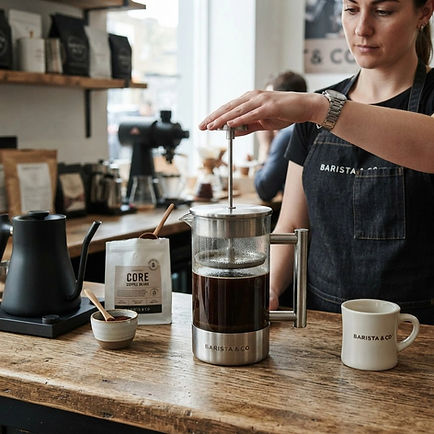
Buying your first brewer feels more complicated than it should. Shelves are full of gadgets that promise cafe results, but you want a reliable cup that fits your budget and routine. Most beginners do well with a simple, well-built option that teaches the basics. If you are comparing manual coffee makers for the first time, start with what matters in the cup, not on the box.
What Matters Most When You Start
Taste and Strength Preferences
Think about the coffee you already enjoy. If you like a full body and soft texture, immersion methods that steep grounds in water will feel familiar. If you prefer a cleaner cup with brighter notes, a paper filter will suit you. Some UK makers design their range along a strength scale, from mild infusers to more concentrated brewers, which helps match a device to your taste.
How Many Cups and How Much Time
A one-mug brewer is quick to heat, easy to clean, and ideal if you live alone. A three- to eight-cup size works better when two people drink at once. Consider the whole routine: heating, grinding, brewing, and washing up. Methods with fewer parts and a removable filter get used more often.
Types of Manual Coffee Makers Worth Considering First
You do not need five devices to learn. Start with one forgiving brewer that teaches grind size, ratio, and timing.
The Classic Coffee Press Option
A coffee press is the most forgiving entry point. Add coarse ground coffee, pour water just off the boil at around 93°C, steep for four minutes, and press. The metal filter lets oils through for a velvety mouthfeel. Look for borosilicate glass that resists thermal shock, a stainless steel frame that protects the beaker, and a lid and plunger that are completely plastic free. A maker that sells replacement beakers keeps the brewer out of the landfill.
Pour Over And Paper Filter
Pour-over gives more control over clarity. Water passes through grounds held in a paper filter, so sediment stays out. You need a steadier pour and a slightly finer grind than for a cafetière. It suits drinkers who want to taste the original character.
Compact Immersion Brewers
These include single serve sticks and small pressurised chambers that produce a short, strong cup in about two minutes. They are compact, travel-friendly, and useful if you want intensity without an espresso machine. A 350 ml chamber makes one mug.
What You Actually Need At The Start
Focus on the few coffee accessories that improve consistency, not shelf appeal.
A Decent Grinder And Scales
Grind size changes extraction more than brewer shape. A basic burr grinder that can do coarse for a cafetière and medium for filter covers most beginners. Pair it with digital scales. A ratio of 1 gram coffee to 15 to 16 grams water is a reliable start, so 15 g to 225 g to 240 g water for a mug.
Kettle, Timer And Fresh Water
You do not need a temperature-controlled kettle at first. Boil fresh filtered water and wait 30 to 45 seconds. Use your phone timer for a steep time. Fresh beans ground just before brewing make a bigger difference than an expensive kettle.
How To Keep Costs Down Without Buying Twice
Buy for durability, not novelty. High-grade 304 stainless steel and thick glass cost more up front than last year. Plastic-free construction avoids taint and is easier to recycle. A brewer with its own metal filter saves buying paper filters each month. Many UK brands offer free delivery over 40 pounds, so adding beans to reach the threshold can be cheaper than paying postage.
Common Mistakes First Time Buyers Make
Buying too many brewers at once is common. You end up with clutter and no clear preference. Grinding too fine for a cafetière clogs the filter and creates bitterness. If plunging feels hard, make the grind coarser. Buy smaller bags and store in an airtight container away from heat.
Final Thoughts On Choosing Well
The best first brewer is the one you will use daily, clean easily, and afford to keep. For most beginners, that means simple immersion, a solid build, clear capacity, and a low ongoing cost. Choose one reliable press, learn the dose and steep time, and let taste guide the next step. If you want UK-designed tools, Barista & Co. offers presses, compact brewers and coffee accessories that keep the focus on the cup.
FAQs
How much should I spend on my first manual brewer?
For most UK buyers, 25 to 45 pounds covers a well-built cafetière or infuser with durable materials and spare parts.
What grind size do I need?
Use coarse sea salt for a cafetière. If you see sludge or the plunger is hard to press, make it coarser. For paper filters, go finer.
Is a manual brewer better than a pod machine?
Manual brewers give control over dose and steep time, produce no pods, and cost less per cup. Pod machines are faster but limit you to capsules.
Do I need special coffee?
No. Use fresh ground coffee or whole beans you grind yourself. A medium- to medium-dark roast works well.
How do I know when to upgrade?
Upgrade when you can brew a balanced cup and know what you want to change. For clarity, try a paper filter. For intensity, try pressurised immersion.


Comments