Retread vs. New Tyre Cost Comparison: What Fleets Actually Save


A retread costs noticeably less than a new commercial tyre. The real saving depends on how many times a casing can be reused, so the sticker price only tells part of the story. This makes commercial tyre retreading an important consideration for fleet operators.
A retread is a used tyre casing that gets a new tread bonded on. The casing holds most of the original tyre’s value, which is why the price drops.
The retread vs new tyre cost gap is where every fleet comparison starts. Michelin Australia says businesses can save up to 50 percent against new tyres. That’s a manufacturer figure, so fleets should test it against their own invoices. Purchase price and cost per kilometre also tell different stories.
What Do Fleets Actually Save by Retreading?
Savings come from reusing the casing, which holds most of a tyre’s value. A fleet pays for fresh tread instead of a whole new tyre. This is one of the main benefits of truck tyre retreading.
Where Does the Saving Come From?
A sound casing can take more than one retread. Each reuse spreads the original purchase cost over more kilometres. For retreading savings for fleet operators, that effect multiplies across every drive and trailer position. UK trade reporting on Michelin puts a premium retread at about 30 percent below a premium new tyre. Claims run from about 30 to 50 percent, so the true figure depends on the tyre and the supplier. Dozens of wheel positions turn a modest gap per tyre into a large annual saving.
Do Retreads Last as Long as New Tyres?
A well-made retread on a good casing performs close to new in normal use. Michelin Australia says lifespan can match a new tyre, depending on conditions, maintenance, and retread quality. Failures usually trace back to casing condition or low inflation, not the retread itself. Many fleets still put new tyres on steer axles as a precaution. That’s a policy choice, and each fleet sets its own tyre retreading process standards.
What Costs Do Fleets Overlook in the Comparison?
The sticker price leaves out costs that move the final number. Inspection, downtime, and casing history all count.
What Hidden Costs Affect Real Saving?
A retread that fails inspection earns nothing. The fleet still paid for transport and the check. A roadside failure adds downtime, a call-out fee, and a late delivery. Four items shape the real saving.
Casing inspection cost
Casing age
Repair history
Downtime risk
How Does Tyre Care Change Math?
Correct inflation, rotation, and early repair keep a casing retreadable for longer. Skipped checks do the opposite. A tyre runs low on pressure flexes and overheats, and that heat damages the casing before the first retread ever happens. A weak casing then fails inspection, and the fleet loses the saving it planned on. This is where commercial tyre maintenance and cost control meet. Proper tyre casing inspection also helps determine whether a casing is suitable for another retreading cycle.
Where Do Retreads Fit in a Fleet Budget?
Most fleets split their purchases by axle position. New tyres go on steers, and retreads go on drive and trailer positions. The split keeps safety first while still cutting spending.
The trade press describes tyres as one of the biggest costs for Australian road transport operators, behind fuel and wages. Long distances and heavy loads drive that.
A commercial tyre budget in Australia works best with a plan for each axle. Retreads give fleets a lower cost option for positions where the risk profile allows it.
Uptake still has room to grow. Bridgestone’s South Australian case study says retreads likely make up less than a quarter of truck tyre sales in Australia. Sales were once nearly equal.
How Should a Fleet Decide Between Retread and New?
Four checks work for any fleet size. Run them before each purchase.
Inspect the casing. Check age, damage, and repair history before paying for any new tread.
Match the tyre to the position. Choose new or retread based on axle position and load.
Compare cost per kilometre. Look past the purchase price to what each tyre delivers over its full life.
Track and adjust. Review results each quarter and change the mix when the numbers say so.
No fleet should retread a casing that fails inspection just to save money. A failed casing costs more than it saves.
FAQs
Are retread tyres safe for trucks?
Michelin Australia says properly made and maintained retreads can match new tyres on safety. Retreads are legal in Australia.
How many times can a tyre be retreaded?
It depends on the casing condition. One Australian operator featured in trade press aims for two retreads per casing.
Do retreads belong on steer axles?
Many fleets choose new tyres for steering positions as a precaution. Each fleet should check supplier and regulatory guidance before deciding.
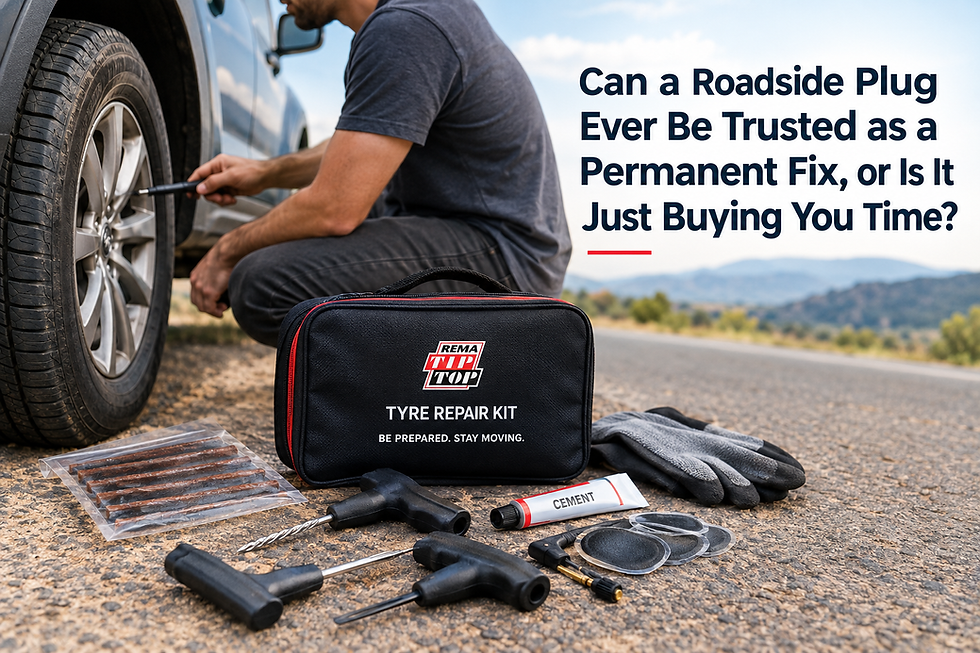
Tyre costs drop when workshops repair early and keep pressure right. REMA TIP TOP Australia supplies tyre retreading supplies, tyre repair materials and retreading accessories, so it’s one option to check when stocking a bay. Browse the retreading and repair range to compare what suits your workshop.


Comments