Sealants, Fluoride, and MI Paste: Understanding Cavity Prevention Options

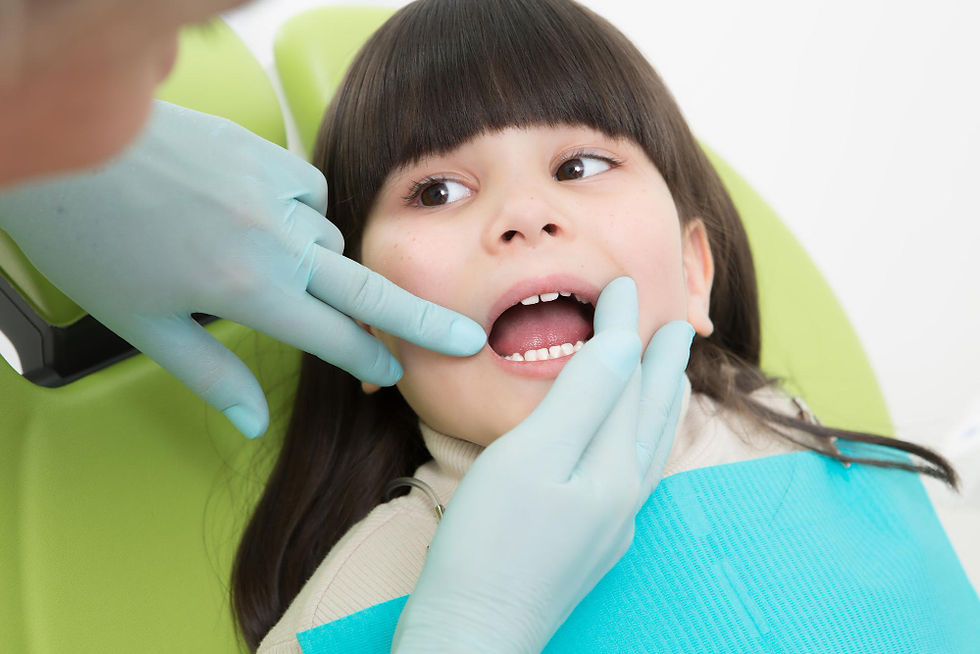
Cavity is known as the most prevalent chronic disorder that happens to children. These little holes start to appear faster in baby teeth than in adult ones. The silver lining, however, is that we are now well-equipped in the battle against tooth decay.
Modern pediatric dentists have several solid prevention tools at their fingertips to assist in the preservation of the child's healthy mouth even before the tooth decay occurs.
If you are wondering which methods of prevention your pediatric dentist really recommends, here are three very popular options explained in the guide: sealants, fluoride, and MI Paste.
Why Cavity Prevention Matters for Kids
According to the Canadian Health Measures Survey, nearly 56.8% of kids aged 6 to 11 have at least one primary tooth that has decayed. Moreover, around 59% of teenagers aged 12 to 19 who have a decayed tooth or the like are just one indicator of the reason kids dentist in Edmonton and North America generally are more preventative oriented than the traditional restorative approach.
Because of the relatively thinner and more porous outer layer (enamel) of children's teeth as compared to adults, they are more susceptible to teeth-deteriorating bacteria and sugars. Starting your child with preventive dental check-up and treatments can give you the advantage of avoiding dental problems in general. With that, your child will have a healthy mouth for a long period of time.
Dental Sealants: A Protective Barrier for Back Teeth
Sealants are a very thin, tooth-colored coating, which is usually used on the chewing part of back molars, that have deep grooves. U.S. Centers for Disease Control and Prevention states, that sealants can prevent most of the cavities in the sealed teeth, and if properly kept they can be effective for several years.
Sealants, the main things to know:
The procedure is fast, painless, and no drilling nor anesthesia is needed.
Most commonly, sealants are advised for first and second permanent molars.
At regular visits a dentist will look at the sealants and possibly redoes them, if that is necessary.
Fluoride: Strengthening Tooth Enamel from the Inside Out
Fluoride sealant works differently. Fluoride doesn't cover the whole tooth surface, but helps the dissolved minerals to come back to the enamel. Consequently, it enhances its resistance to demineralization again. The Canadian Dental Association deems it a vital part of preventive dentistry, especially for children who have higher probability to get cavities.
The various ways by which fluoride can reach the enamel are as follows:
Dental Visit Fluoride
The dentists might apply a fluoride gel or varnish on the child's teeth during the check-up. Usually, this treatment is advised to a child several times a year in the case of a high risk for tooth decay.
At-Home Fluoride
Fluoridated toothpaste can be applied with a quantity adequate for the child's age. This is one of the least invasive but extremely effective methods families can use to help reinforce enamel of the child between their dental visits. A pea grain amount is typically advised for kids after three while a rice grain is recommended for those under three years.
Water Fluoridation
For homes supplied with fluoridated water, it gives all a minimum protection which is the key reason why Health Canada and the other dental and public health organizations, including the World Health Organization, are so supportive of it.
MI Paste: Extra Support for Sensitive or High-Risk Teeth
MI Paste is a locally-applied product that carries a milk-derived protein complex (CPP-ACP) enabling teeth to absorb calcium and phosphate. Generally speaking, dental experts recommend MI Paste as a treatment for children who recently had orthodontic appliances and whose teeth are sensitive, have experienced cavities often or are not quite as heavily mineralized as normally expected for their particular age.
MI Paste is different from sealants and fluoride in many ways and thus, it isn't a common product that is usually included in every pediatric patient's routine visit. In most cases, a children's dentist would introduce them to mi paste in the context of providing an additional form of protection for kids who seem to need stronger enamel support on top of regular care measures which typically includes using the product at home 2-3 times a week.
Building a Cavity Prevention Plan With a Kids Dentist in Edmonton
No single treatment works the same way for every child, which is why cavity prevention for kids plans are typically built around individual risk factors, including diet, brushing habits, tooth alignment, and family dental history. A pediatric dental exam allows a dentist to assess which combination of sealants, fluoride, and other supportive treatments, such as pediatric dentistry services, may be appropriate, and to adjust the plan as a child grows.
A Team Approach to Healthy Smiles
Preventive care works best as an ongoing partnership between families and their dental team. At City Orthodontics & Pediatric Dentistry, our pediatric specialists can help assess which combination of sealants, fluoride, and other preventive options may support your child's oral health. To learn more or schedule a visit, you can book an appointment with our team.
Frequently Asked Questions
At what age should sealants be applied?
Sealants are commonly applied after the six-year-old's or first permanent molars are fully exposed, then for the second ones which come out at around twelve year of age. A dentist should be visited to know the right time depending on your child's dental condition and development.
Is fluoride safe for young children?
Fluoride is generally safe for young children when they get the appropriate amount suited to their age. A good number of health organisations like the CDC, Health Canada, and World Health Organization back the use of fluoride. The exact amount and frequency of application, however, may vary for each child, which a dentist will identify for a child's particular case.
How long do dental sealants typically last?
With normal wear and tear, sealants can keep their integrity for many years. However, a dentist checks them during regular check-ups and may replace them if they are found chipped or worn out.
Who typically benefits from MI Paste?
MI Paste is usually a remedy for children who have sensitive teeth, are prone to frequent cavities or whose enamel requires mineral support. It is mostly a prescription for individual patients based on dental history.
Can these treatments be combined?
Definitely! For instance, fluoride, sealants, and, if applicable, MI Paste can be incorporated into the daily cleaning and flossing regime as several levels of protection for special specific needs.


Comments