What Is an Integrated Drone Detector Jammer and How Does It Work?
- Terim Sheilth
- Nov 12, 2025
- 4 min read

The global drone market is set to hit £163.60 billion by 2030, which means we're seeing a huge rise in unmanned aerial vehicles (UAVs). This surge is creating major security concerns. Drones offer many benefits to industries. However, their misuse can threaten critical infrastructure and public safety.
The counter-drone market will be worth £3.03 billion by 2025. It’s fighting back with new solutions. Integrated drone detector jammers are some of the best tools available.
Understanding the Integrated Drone Detector Jammer
An all-in-one drone detector jammer marks a major step forward. It brings together detection and disruption, making it more effective. Standalone systems can only identify threats or mess with signals. This custom anti-drone solution, on the other hand, offers total protection by combining these functions.
This system follows a simple approach: detect, locate, identify, and act. This process ensures threats are removed quickly and with minimal disruption. UAV Defence focuses on creating systems that can tackle the tricky issues.
How Detection Technology Works
Multi-Sensor Detection Architecture
The detection component uses a range of sensor technologies. Radio frequency sensors scan the airwaves to pick up the unique signals drones use to communicate. These sensors can spot drone signals from as far as 5 kilometres away.
Advanced systems use X-band radar to give you 360-degree coverage that can be adjusted up or down. This radar can spot even tiny drones with radar cross-sections as small as 0.01 square metres. To back up the radar, the systems include electro-optical and thermal imaging cameras.
Intelligent Signal Processing
Modern drone detection and jamming systems now use artificial intelligence and machine learning. This helps reduce false alarms by telling apart allowed and banned drones. The system identifies specific drone models like the popular DJI Mavic and Matrice series.
Direction-finding capabilities make it possible to pinpoint the drone's exact location. Some systems can even take pictures of the drone's operator.

Get A Quote: UD DR100 Fixed Drone Detector
The RF Drone Jammer Component Explained
Signal Disruption Methodology
When a threat is identified and confirmed, the RF drone jammer sends out electromagnetic noise on the same frequencies the drone uses for communication and navigation. Many commercial drones use the 2.4 GHz or 5.8 GHz frequencies, while GPS signals for navigation come in at 1.2 GHz and 1.5 GHz bands.
The RF drone jammer creates a bubble of interference. This usually causes one of three things to happen - the drone heads back to where it took off, makes an emergency landing, or just hovers in place.
Precision and Selectivity
Advanced jammers use directional antennas with a narrow beam. This lets operators take out specific threats without messing up the rest of the communication systems. The fancy systems have software-defined jamming, which automatically targets drone signals.
UAV Defence systems can jam a bunch of targets at the same time, which makes them great at handling swarm attacks. The jamming range usually covers 1 to 3 kilometres, but high-power variants can reach further.
Types of Customised Anti-Drone Solutions
Fixed Installation Systems
Permanent installations safeguard key places like nuclear facilities and government buildings. These ground-based systems provide non-stop monitoring around. They respond automatically to threats as soon as they're spotted.
Portable and Handheld Solutions
For short-term security needs, portable drone detectors with jamming capabilities give you mobility. These handheld units weigh in at under 5 kilograms. They usually have detection ranges of 1.5 to 2 kilometres and can be set up in as little as 3 to 6 seconds.
Vehicle-Mounted Platforms
Vehicle-integrated systems shield mobile assets and convoys. Custom-made anti-drone protection keeps these assets safe, even on the move. These systems have tough components that can handle rough conditions.
Integration and Automation Capabilities
Modern integrated systems work through central platforms that coordinate. The architecture allows for manual operation or fully autonomous modes that can respond to threats on their own.
The automation also prioritises threats using AI-driven algorithms that consider multiple factors. This smart setup makes sure resources are used in the best way possible when dealing with multiple threats.
UAV Defence stresses that customising is crucial. Since every site has its own regulations, installations need to be set up with those specifics in mind. To get the best results, the system can be fine-tuned to match different frequencies and jamming capabilities.
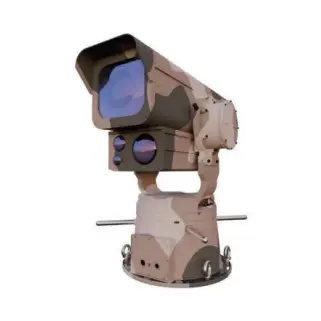
Get A Quote: UD L20 Laser Anti Drone Jammer
The Future of Integrated Counter-Drone Technology
The market for anti-drone tech is on track to hit £14.51 billion by 2030, thanks to growing security threats. Next-generation systems will combine quantum radar for better stealth drone detection and smart AI for predicting threats before they happen.
The 5G and emerging 6G networks will team up to get the job done. They'll help sensor networks work better. With this connectivity, cities can create security systems that cover the entire urban area.
To Sum Up
The integrated drone detector jammer is at the forefront of counter-UAV technology. With drones becoming more widespread, customised anti-drone solutions like this are more crucial than ever for safeguarding critical infrastructure and national security.
UAV Defence is leading the way in this fast-changing tech space. Their offerings protect places like airports and military bases using a combined approach to detecting and disrupting drones.



Comments