What to Know About Hearing Aids in Chilliwack, Canada
- Terim Sheilth
- Jan 30
- 4 min read

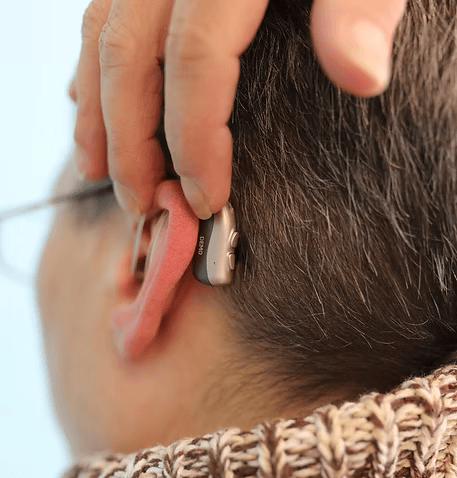
Hearing changes often start quietly. Conversations feel strained, background noise becomes overwhelming, and important details slip away. When these issues persist, frustration builds and confidence drops. Timely care helps prevent further strain on communication, work, and relationships. This post explains how hearing aids work, what options exist locally, and how professional testing fits into the process.
It clarifies the distinction between screenings and full evaluations, outlines current technologies, and explains what people with hearing loss should expect when seeking support. Anyone searching for accurate, local information about Chilliwack hearing aids will find clear answers here.
Understanding Hearing Loss in Chilliwack
Hearing loss affects people of all ages, though it becomes more common with time. In a growing community like Chilliwack, daily exposure to traffic, workplace noise, and recreational sound adds to the risk.
Common Causes of Hearing Changes
Hearing loss usually develops from one or more factors:
Age-related changes in the inner ear
Long-term exposure to loud environments
Ear infections or fluid buildup
Certain medications that affect the hearing nerves
Genetic factors
Many people delay care because the decline feels gradual. Untreated Chilliwack hearing loss often leads to listening fatigue, social withdrawal, and difficulty following speech in noisy settings.
Early Signs That Often Get Missed
Some warning signs appear before hearing loss feels obvious:
Asking others to repeat themselves
Turning the television volume higher than usual
Trouble hearing children or higher-pitched voices
Feeling drained after conversations
These patterns often signal the need for professional assessment and discussion around Chilliwack hearing aids as a possible solution.
How Hearing Aids Actually Work
Modern hearing aids do more than increase volume. They process sound in real time, adjust to environments, and prioritize speech.
Core Components of Today's Devices
Most hearing aids include:
Microphones that capture sound
Processors that analyze and adjust signals
Amplifiers that strengthen specific frequencies
Receivers that deliver sound into the ear
Advanced models reduce background noise, manage feedback, and adapt automatically. Clinics such as Carter Hearing often demonstrate how these features respond differently in quiet rooms versus on busy streets.
Styles Available in Chilliwack
Several styles support different hearing needs and preferences:
Behind-the-ear (BTE)
Receiver-in-canal (RIC)
In-the-ear (ITE)
Completely-in-canal (CIC)
The right choice depends on hearing levels, dexterity, and daily routine. Proper fitting remains essential for anyone seeking to address Chilliwack hearing loss through amplification.
The Importance of Accurate Hearing Testing
Hearing aids work best when matched to precise hearing data. This makes testing a critical step.
Hearing Screenings vs. Hearing Evaluations
Screenings and evaluations serve different purposes and should not be confused.
Hearing screenings are brief checks that indicate whether a potential issue exists. Mobile or remote clinics may still offer these short assessments. They provide general insight but do not measure full hearing ability. Hearing evaluations involve comprehensive diagnostic testing. These include air- and bone-conduction tests, speech recognition measures, and middle-ear analysis.
Full evaluations are now offered only in-clinic at the Chilliwack location, not through mobile services. This distinction matters because hearing aid programming relies on detailed results from an in-clinic evaluation. Facilities like Carter Hearing follow this model, using screenings as a starting point and evaluations as the foundation for treatment decisions related to Chilliwack hearing aids.
Choosing the Right Hearing Aid Solution
Selecting hearing aids involves more than picking a device. It requires aligning technology with lifestyle and hearing goals.
Lifestyle and Listening Needs
Key factors often include:
Work environment noise levels
Social activity frequency
Phone and media use
Comfort with technology
Someone attending frequent meetings may need strong speech clarity, while another person may prioritize ease of use. These details shape outcomes for people managing Chilliwack hearing loss.
Technology Levels Explained Simply
Hearing aids generally fall into tiers:
Essential: Basic amplification for quiet settings
Standard: Improved noise management and directionality
Advanced: Strong performance in complex sound environments
Audiology teams, such as those at Carter Hearing, often explain these levels in real-world listening situations rather than in technical jargon.
Adjustment, Follow-Up, and Long-Term Care
Hearing aids require time and professional support to perform at their best.
The Adaptation Period
Most users need several weeks to adjust. The brain relearns how to process sounds that were missing. Follow-up visits allow fine-tuning based on real-world feedback, improving satisfaction with Chilliwack hearing aids.
Ongoing Hearing Health
Hearing can change over time. Regular checkups help ensure devices stay properly programmed. Cleanings, software updates, and hearing retests all support long-term success. Clinics like, say, Carter Hearing often integrate these steps into routine care plans.
Why Local, In-Clinic Care Matters
Local access simplifies follow-up, repairs, and adjustments. In-clinic services also allow controlled testing environments that mobile settings cannot replicate. For people experiencing Chilliwack hearing loss, having evaluations, fittings, and ongoing support in one location improves continuity of care. Screenings may flag concerns, but full diagnostic evaluations remain the standard for accurate treatment planning.
The Bottom Line
Hearing aids play a vital role in restoring clarity, confidence, and daily connection when hearing changes interfere with life. Understanding hearing loss, knowing how devices work, and recognizing the difference between screenings and in-clinic evaluations helps people make informed choices.
With modern technology and proper testing, Chilliwack hearing aids offer reliable support tailored to individual needs. Anyone noticing signs of Chilliwack hearing loss benefits from a timely, professional assessment and consistent follow-up. Scheduling a comprehensive in-clinic hearing evaluation at the Chilliwack location provides a clear path toward better communication and long-term hearing health.



Comments