Why White Ceramic Plates Wholesale Fit Modern Commercial Kitchens & Restaurants

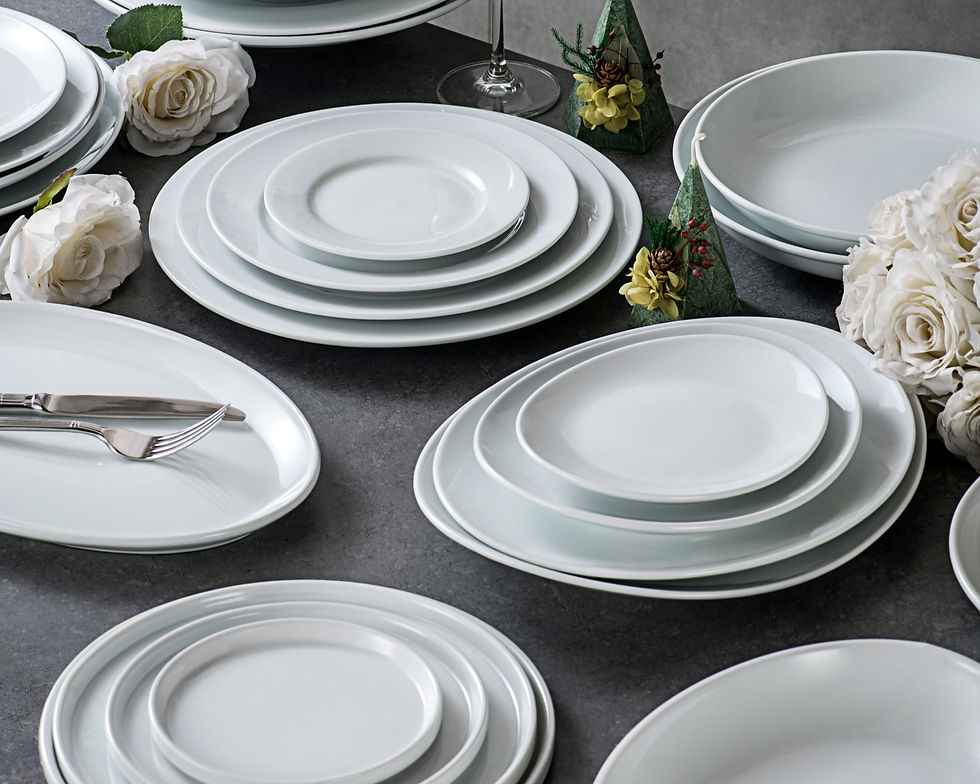
Commercial kitchens face constant pressure to balance speed, presentation, and operating costs. When dinnerware chips, stains, or clashes with food styling, the problem shows up on the plate and in the budget. These issues compound during peak service, where consistency matters as much as flavor. White ceramic plates wholesale solve this tension by offering a reliable foundation that supports daily volume, varied menus, and long-term cost control.
This article explains why professional kitchens continue to rely on them, how they perform in real service conditions, and where accent pieces, such as a white ceramic serving plate or blue rectangular plates, fit into modern tabletop strategies. Restaurants, hotels, and catering operations searching for practical, design-stable dinnerware will find clear answers here.
The Role of White Dinnerware in Professional Kitchens
White plates remain a standard in commercial food service because they remove visual friction. They allow chefs to present food without distraction and operators to standardize inventory across concepts.
Visual Consistency Across Menus
Menus change. Plate inventories often stay. White ceramic plates wholesale support:
Seasonal menu updates without replacing tableware
Visual continuity across lunch, dinner, and private events
Easy pairing with specialty items, such as a white ceramic serving plate for shared dishes
Restaurants working with design-forward suppliers, like Palate & Plate, often rely on this neutrality to keep menus flexible without inflating operating costs.
Functional Performance Under Volume
Ceramic plates designed for wholesale distribution meet commercial durability standards. They withstand:
High-temperature dishwashers
Repeated stacking and transport
Constant table turns during peak hours
Unlike decorative consumer-grade plates, white ceramic plates wholesale focus on structural strength first, with aesthetics built around function.
Cost Control and Inventory Efficiency
Wholesale sourcing addresses one of hospitality's most significant pain points: replacement costs.
Predictable Reordering and SKU Stability
Operators benefit from long production runs and consistent sizing. This allows:
Easy replacement of broken items
Uniform plate dimensions across shipments
Reduced need for full set replacements
A single broken plate does not force a redesign when inventory remains stable. That predictability explains why groups sourcing through partners like Palate & Plate maintain whiteware as their operational backbone.
Long-Term Value Over Trend Cycles
Trendy colors and shapes rotate quickly. White ceramic plates wholesale outlast these cycles. They maintain relevance even as accent pieces rotate in and out of service.
Where the White Ceramic Serving Plate Fits
Serving plates play a different role than individual dinner plates. They anchor shared dishes and tableside presentations.
Designed for Shared Dining Formats
A white ceramic serving plate supports:
Family-style dining
Appetizer spreads
Center-of-table presentations
The neutral surface keeps shared dishes visually clean, especially in highlight dining rooms.
Compatibility With Existing Plate Systems
Unlike specialty finishes, a white ceramic serving plate integrates smoothly with existing stacks. Kitchens avoid training staff on handling fragile or mismatched items, keeping service efficient. Restaurants aligned with curated tabletop strategies, such as those often seen through Palate & Plate assortments, use these serving pieces to extend functionality without disrupting their core inventory.
Durability Standards That Matter in Commercial Use
Not all ceramic plates meet commercial requirements. Wholesale-grade ceramics differ in composition and firing.
Resistance to Chipping and Crazing
High-density ceramic bodies reduce micro-cracks that lead to breakage. This matters during:
Dishwashing cycles
Plate stacking during service
Storage in tight back-of-house shelving
White ceramic plates wholesale are typically fired at higher temperatures, resulting in stronger surfaces.
Heat Retention and Food Quality
Ceramic holds heat evenly. This supports plated dishes that require temperature stability from pass to table, a subtle but important factor in guest satisfaction.
Using Blue Rectangular Plates Without Overcomplicating Service
Accent pieces bring contrast, but they require restraint.
Strategic Use Instead of Full Replacement
Blue rectangular plates work best when used selectively:
Signature appetizers
Dessert presentations
Chef's tasting menus
They introduce visual interest without fragmenting inventory. Many operators pair them with white ceramic plates wholesale to preserve operational simplicity.
Visual Framing for Modern Cuisine
Rectangular formats frame proteins and compose dishes differently than round plates. The blue finish adds depth while allowing whiteware to remain dominant. Suppliers with curated collections, like Palate & Plate, often position blue rectangular plates as complementary rather than core inventory, supporting both creativity and control.
Matching Tableware to Brand Identity Without Excess
Restaurants often confuse minimalism with a lack of personality.
White as a Canvas, Not an Absence
White plates highlight:
Color-forward cuisine
Artistic plating techniques
Ingredient-driven menus
Identity comes from food, not plate color.
Controlled Accents Add Character
Strategically placed blue rectangular plates or textured serving pieces add personality without overwhelming the table. Operators using mixed but disciplined assortments often achieve stronger brand consistency than those chasing constant redesigns.
The Bottom Line
White ceramic plates wholesale remain essential because they solve real operational problems. They support consistency, durability, and cost control while adapting to evolving menus and dining formats. When paired thoughtfully with white ceramic serving plates or limited-use blue rectangular plates, they allow kitchens to balance creativity with efficiency.
Restaurants that build their tabletop strategy around reliable whiteware gain flexibility without sacrificing performance. Suppliers aligned with this philosophy, such as Palate & Plate, demonstrate how curated selection and operational focus can coexist. Kitchen planning for long-term growth benefits most from choosing dinnerware that works for every service, not just on opening night.


Comments